In last month’s blog we discussed how vital it is that we handle our own stuff, acknowledge it, talk about it, feel it. As individuals joined by adoption, we experience coexisting but differing realities, emotions, thoughts, beliefs, choices. What we feel individually also affects us as a group. We are Tri-Relationally interconnected.
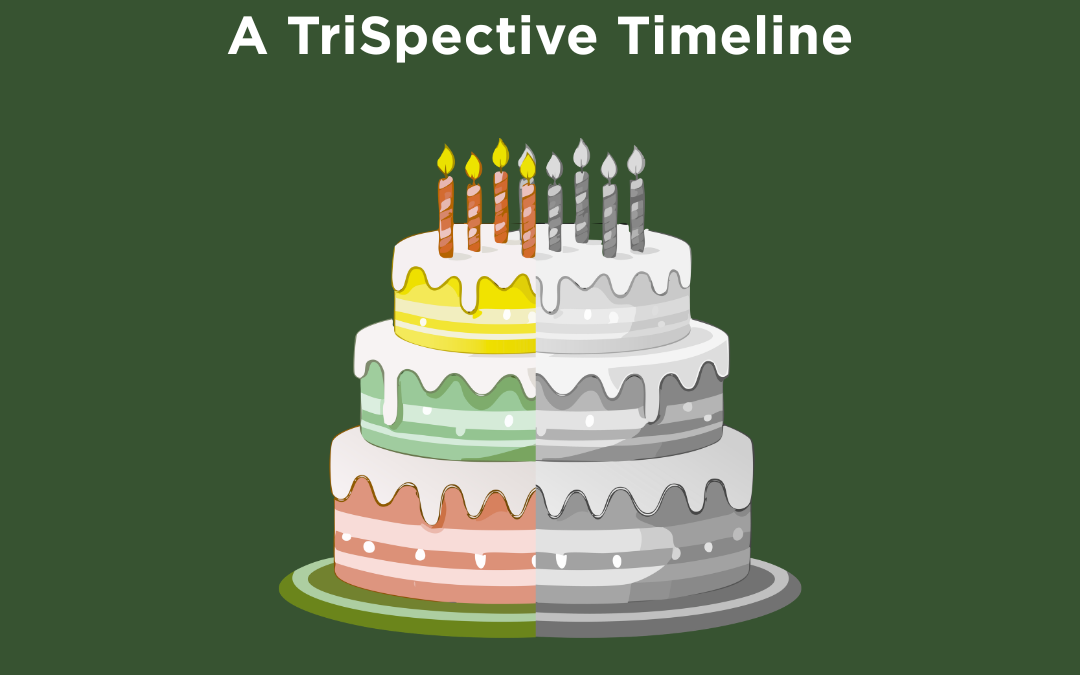
Today let’s look at how this works in regard to birthdays. If I asked you to play a word association game with me and then said, Birthday, your most likely response would be Happy! But, as is almost always the case with adoption, the situation for adoptive families is far more complicated for all involved.
First, the “cast of characters” in an adopted family is larger. In addition to birth parents, adoptive parents hold a place as well. The adopted child sits at the center. Each person has a unique experience and perception of the birth day. Each has an array of emotions, responses, expectations, concerns, and beliefs.
Moment to moment on that first birthday, and then year to year, the child and their parents' understanding and experience of the birthday will evolve and increase in complexity. Life will happen and it will alter how they feel about this special day.
Birth Day/Separation Day—Mom's POV
After months of anticipation and the travail of labor, a baby is born. A mother is delighted to finally view her child’s face, exhilarated by what she has accomplished. But it is also a day she has dreaded because a decision has been made. This child will be adopted. The mother who carried him, felt his movement inside her, his weight, his heartbeat, now feels a gaping void. Instead of bringing them home, she must say goodbye soon, perhaps for a while, perhaps forever. This is because even though open adoption are very popular, they only hold the expectation of future connection but no guarantees. The rules enforcing open adoptions vary by state and circumstance. (See AdoptMatch for a state by state breakdown.)
So, imagine seeing through this mother’s eyes as she gazes at her child. Counting the minutes. Counting the seconds. Feel the tsunami of emotions that overwhelm her—happiness and heartache, joy and judgement, anger and agony, desperation and depression, guilt and grief. This day of birth is also the day of separation. For mother and child this day demarcates a distinct Before and After. For life a lifetime.
She will go home without her child, without a celebration, and most likely with little or no support. It will be up to her to figure out how to cope with this reality for the rest of her life. Every year on her child’s birthday she will remember both the joy and the heartache.
Birth Day/Separation Day—Baby's POV
For its entire prenatal period the baby grows within its mother. Regulated by the rhythms of her heartbeat, voice, gait and soundtrack of her life, primed by nature to seek and find comfort and security in her arms. However, for an adopted child, things unfold differently. They do not go home with the mother they have come to know during these nine months. They go home to strangers. Everything is alien. Nothing is familiar. Imagine the child’s alarm. They sense this difference, grieve for their missing mother, not with words but with a different kind of knowing. Their bodies remember and encode it on a cellular level.
They will come to be part of their adoptive families, to love and feel loved by them. At the same time, they will always remain part of their birth families genetically, temperamentally, and intellectually. For their lifetimes. They will strive to straddle these two worlds, to build bridges that connect them and allow them to grow a healthy, blended identity.
Their birth days contains a hard reality. It is the day they lost a family. It is the day they gained a family. This is another Both/And of adoption: coexistence, not erasure and replacement. As they grow, they may have conflicted feelings about their birthday that they themselves may not even understand. Some adopted children feel very unsettled on their birthday and prefer a lowkey celebration. For them, a big birthday bash is more than they can handle.
This is where the adoptive parents’ commitment to acknowledging, discussing, handling, and processing the child’s emotions, questions, and thoughts about their birthdays and their origins is imperative. Approach these conversations with compassion, understanding, and empathy.
Birth Day/Separation Day—Adoptive Parents' POV
As with all things adoption, adoptive parents feel a range of emotions about their child’s birthday. The day is almost entirely exultant for them with perhaps, a twinge of wishing that they could have conceived their child themselves. The adoptive mom may have an additional regret that she did not carry and give birth to the child.
As the years proceed, adoptive parents may delight in planning elaborate parties. They want their child and the "world" to see how much they love their child. The party serves as proof for their child and the “world” to see. Little ones often do enjoy being the center of attention of a good party. However, not always, especially as the child ages and begins to appreciate the reality of his adoption-connected losses.
In such cases a big “to do” feels tone deaf to the child. It may feel like everyone has lost sight of and or minimizes the sadness and grief connected to their birthday. The child might begin to feel pressure to show up and be happy. They may start to perform to please their parents and guests when they may actually prefer a low-key celebration. In fact, they may not be able to hold it together during the festivities because their feelings are too big for them to manage. Both child and parents may end up unhappy and disappointed. As soon as a child is able, therefore, parents can ask what the child desires for acknowledging their birthday.
Regardless of when their child was born, adoptive parents who embrace a TriSpective lens will also feel a genuine and pervasive empathy for the deep and abiding grief that the birth mother and father feel over the loss of their child to adoption. Through this lens they can understand the complex emotions that both their child and his parents feel on his birthday.
The Power of Tri-Relational Interconnectivity
Using a TriSpective lens helps us to see the multiple, coexisting realities experienced in an adoption triad. It also provides insight into the emotional repercussions that occur between and among triad members. Empathy arises from this awareness. Lived experience shows how each has their own, unique thoughts, experiences and emotions. What each does and says affects the others in the adoption triad. Sometimes consciously. Sometimes unconsciously. They may not have language to describe this experience or even the conscious awareness of how it happens. But they definitely feel it and live it. This is what it means to live with Tri-Relational Interconnectivity.
_________________________________________
Adoption Matters: Real People. Real Life. Real Talk , and
Essentials of Adoption Attuned Parenting
Read books written by our coaches
Click to learn more about Adoption Attuned Certified coaching!
.